

Ceramic coating on a new car: when does polishing make sense?
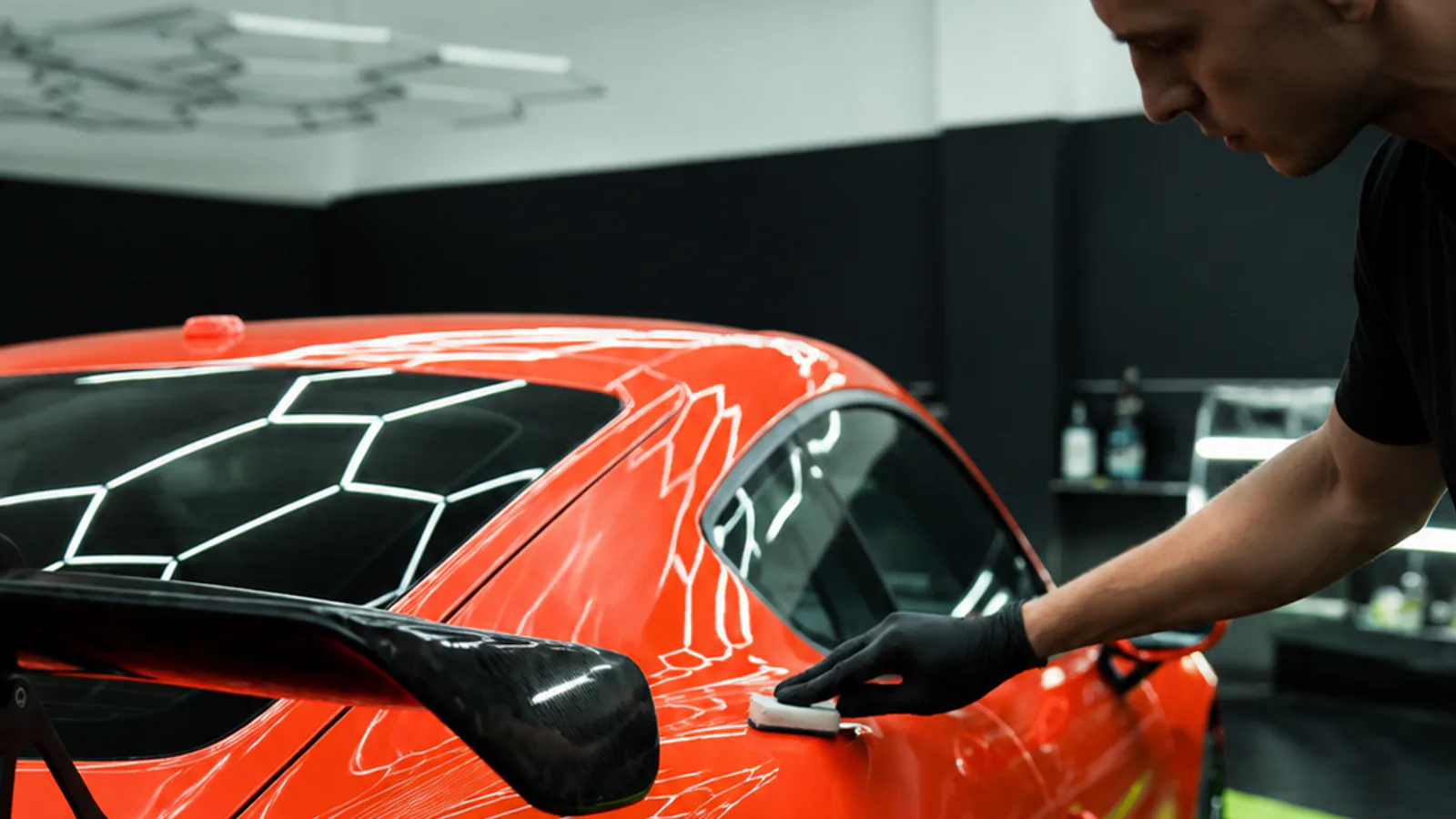
A new car does not always have flawless paint. Find out when preparation is enough before ceramic coating and when light correction is a sensible choice.
Quick Summary
Key Takeaways
Reading time
1 min read
Location
Warsaw
- •New does not automatically mean flawless
- •When does light correction make sense?
- •Ceramic coating versus PPF
New does not automatically mean flawless
A new car may have been transported, stored, washed before handover, and prepared by a dealer. That does not mean it needs full correction, but it does make a paint inspection before coating worthwhile.
| Inspection result | Sensible direction |
|---|---|
| Excellent paint, no visible defects | Preparation and ceramic coating |
| Light swirls or wash marks | Light correction + coating |
| Clear defects or local damage | Individual assessment |
| Priority: chip protection | Consider PPF on exposed panels |
When does light correction make sense?
If inspection shows micro-scratches, holograms, or wash marks, a light correction can create a better starting point before coating. It should be based on condition and owner expectations, not added automatically to every new car.
Ceramic coating versus PPF
Ceramic coating is useful for gloss, hydrophobicity, and easier washing. If a physical barrier against chips on the bumper, bonnet, or mirrors is the goal, consider PPF. Start with an inspection, then choose paint correction with ceramic coating where appropriate.
Article topics